
Create a Study Timetable
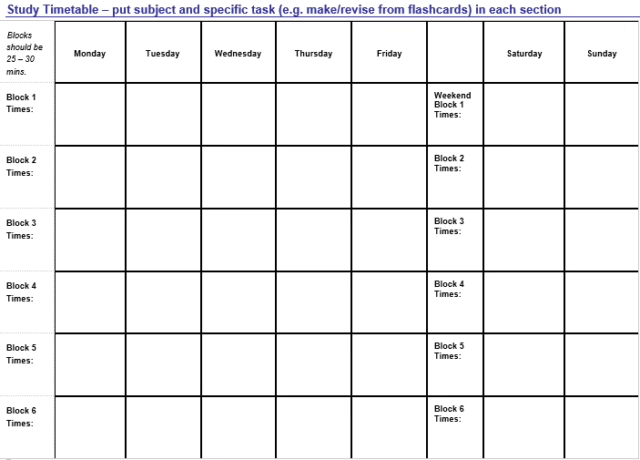
Effective studying is all about time management. To ensure each subject is adequately covered, breakdown study time into a daily schedule, aiming to stick to this routine for each revision day.
When creating a timetable, work backwards from each assessment date. Ensure you’re devoting enough time to early exam subjects. Next, consider when your child is most productive. If they do better in the morning, schedule the subjects they find more difficult then.
It’s best to break study periods into short blocks so your child isn’t overwhelmed, ideally 25- to 30-minute sessions with a 5-minute break. Focus on one topic at a time during these blocks. For instance, they might spend half an hour revising their poetry for an English exam, then focus half an hour on applying their knowledge on the poetry to exam-style questions. Your child will know from feedback which topics they’re strong on, requiring less revision, and which topics they find tricky, requiring more revision.
Make sure to schedule in breaks and rewards, as well. It’s important that the timetable is realistic and fair. If you’re having trouble creating a timetable, try using one of these apps: My Study Life, Qualifications Scotland MyStudyPlan, or use the advice on our Firefly page, which includes revision planning templates: Organisation, Planning, Study Timetables — ESMS
Try a Revision Power Hour
Another good study practice is a revision power hour. This is an intense period of study designed to retain information.
Start by choosing a question from a past exam. You can find past exams by searching online for the subject, level, and exam board, or by using Achieve which your child has access to through school. Once your child has selected a question, set a timer for 20 minutes in which they revise the information they need to answer the question. When the timer goes, have your child take a five-minute breather to reset, then start another 20-minute timer in which they answer the question.
Once finished, have your child spend the last 15 minutes marking the answer using the past paper’s marking scheme. This will help them understand what examiners are looking for.
Keep in mind that while revising a topic once is useful, your child will need to regularly revisit the topic to layer knowledge and retain the information.
Study in a Productive Space
Your child’s study space can impact their ability to concentrate. Pick a quiet space away from distractions, such as TV, computer games, phones, or high-traffic areas. A comfortable chair and desk with natural lighting or bright, warm desk lamps can reduce discomfort and help your child focus. If your child finds it hard to focus, the kitchen table or a more visible workspace can help keep them accountable.
Clear away any clutter from the desk, such as resources not relevant to the current subject. Wading through textbooks and notes to find what they need can lead to procrastination.
It’s also effective to work alongside them, mirroring good practice. Helping your child study can keep them focussed on the topic.
Use Different Revision Techniques
Each child needs to layer their knowledge and skills to add it to their long-term memory. This is done by ‘doing something’ with the knowledge, not simply re-writing or re-reading notes. The key is to find a range of study techniques that accomplish this while also keeping them motivated. Here are a few examples you could try, or find more information here: Exam Preparation & Study Skills — ESMS
- The Pomodoro Technique involves 25-minute intervals of focused work followed by a 5-minute break. To be most effective, your child should attempt four 25-minute intervals with three 5-minute breaks, followed by a longer 20-to 30-minute break. This prevents burnout and procrastination, establishing consistent work habits.
- Flashcards encourage your child to condense information, breaking it down into easy-to-remember bitesize pieces. Colour coding the cards by topic or theme can also act as a visual hook, reminding your child of the information on the cards. Plus, you can quiz your child by reading off the cards.
- Once your child has completed an initial review of a topic, have them teach you about it. This is called the Protégé Effect. By teaching you the topic, your child has an increased motivation to learn, helping them better organise and retain the information.
Make Sure they get Enough Sleep
Sleep is one of the most underrated parts of studying. It helps refresh the hippocampus, a part of the brain that’s crucial to short- and long-term memory. In fact, research shows that experts in their field average 1.5 hours more sleep per night than most people.
To ensure your child gets a good sleep, avoid screens at least an hour before bed, the blue light disrupts melatonin. Introduce a relaxing pre-sleep ritual 30 minutes before bed, such as reading a book, taking a warm shower, or having a cup of herbal tea. Finally, charge their devices in a different room overnight so they aren’t tempted to pick up their phone. Come exam day, their brains will thank them.
Final thoughts
Preparation for exams is about having a good routine, prioritising where the most gains will be made (usually from the topics they are least confident with), sticking to the plan, and asking for support when needed. It isn’t about perfection; it’s about supporting our children to make progress every day. Parenting exam candidates can be tough as we live the experience through them. Putting good structures in place, providing encouragement, and nurturing their self-belief are what matters.