The Benefits of the Junior Forester Award
Run by the Royal Forestry Society, the Junior Forester Award teaches children and young people essential outdoor skills necessary to navigate and protect woodland spaces. As Primary 1 teacher Mrs Melanie Acheson points out, the Junior Forester Award is a natural progression from our Nursery’s Forest Kindergarten programme.
P1s already use the wooded areas around our Ravelston campus for risky play, so staff decided it was important to educate students on the role of forests in our community and larger ecosystem. What better way to teach this than with hands-on experience. Through the award, students participate in outdoor activities, including tree planting, creating habitats for animals, and learning to identify different species.
Plus, the lessons taught through the award tie in perfectly with the P1s’ Wild Weather topic, which they learn about in Term 3. By exploring the woods, students get to experience different types of weather, learning how it affects forested areas.
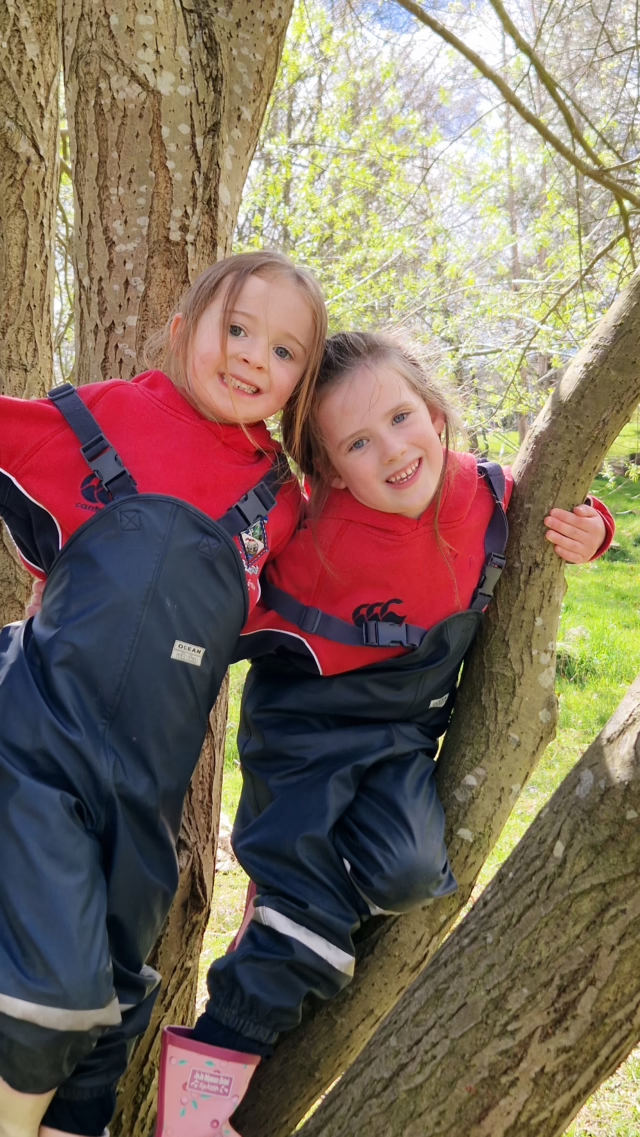
How the Junior Forester Award Works
Our Junior School teachers use online resources provided by the Royal Forestry Society to guide P1s through six key sections.
The six sections are as follows:
- Managing Risk
- Tree and Plant ID
- Woodland Habitats
- Habitat Creation
- Woodland Management
- Forestry Ambassadors
To achieve a Junior Forester Award, our P1s need to complete all six sections. So far, this year’s P1s have completed the Managing Risk and Habitat Creation sections.
Managing Risk
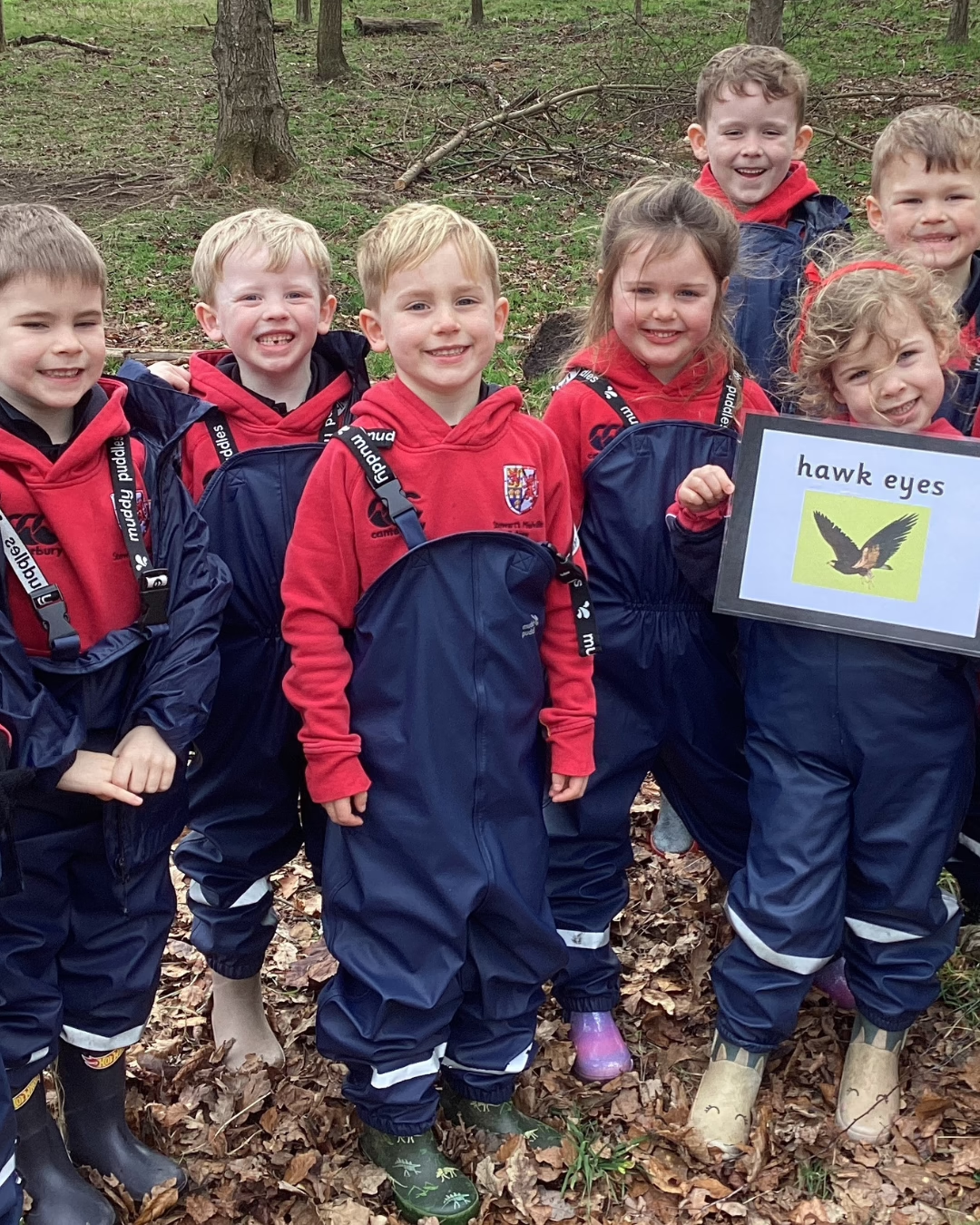
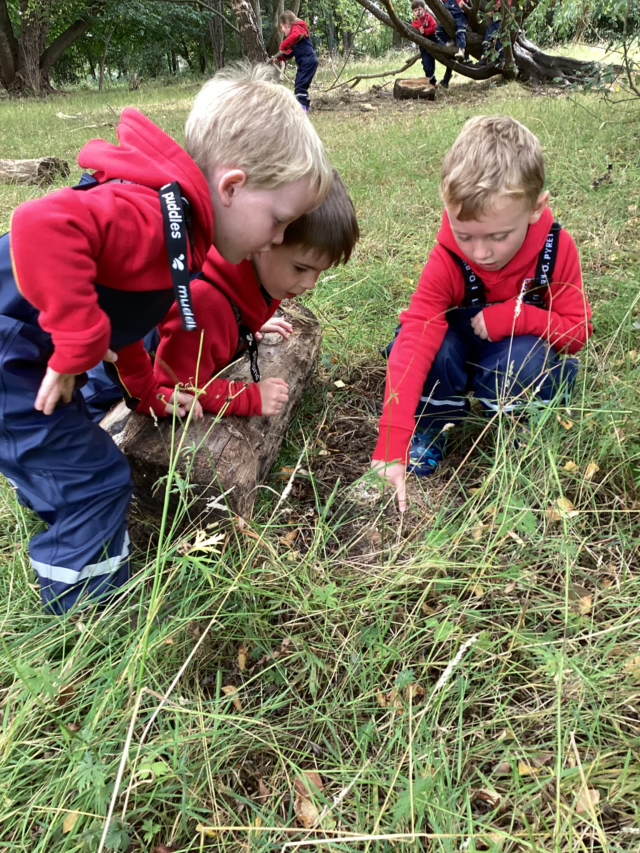
Managing Risk ties into another of our P1s’ Term 3 topics, Looking After Myself. As part of the Managing Risk section, students learned how to keep themselves and others safe in wooded areas. They did this by looking for hazards at high, medium, and low sightlines – or as our students would say: using their hawk eyes to look for high hazards, deer eyes for medium hazards, and mouse eyes for low hazards.
Habitat Creation
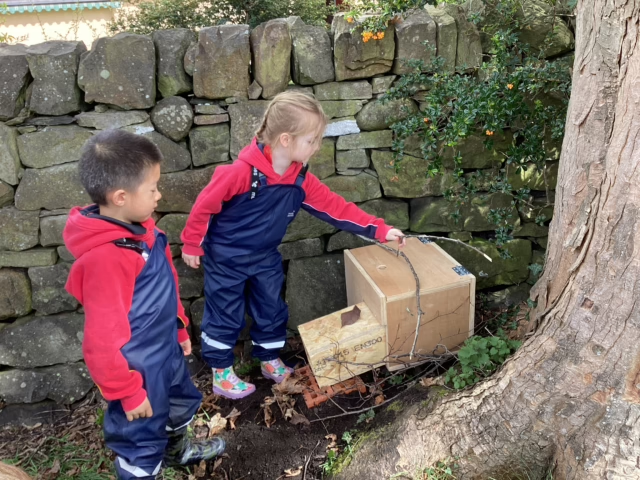
In the Habitat Creation section, students assisted the Grounds Staff in installing four wooden hedgehog homes around campus, built by the previous year group. The students learned what an ideal habitat for a hedgehog looks like and where the habitat should be placed to avoid predators and other dangers.
Woodland Habitats
In the Woodland Habitats section, our students will learn how to identify which habitats belong to which species, sparking a larger discussion about biodiversity and how woodlands require a variety of species to stay healthy.
Tree and Plant ID
In the Tree and Plant ID section, our P1s will learn how to identify different tree and plant species, what factors cause those species to grow, and how those species contribute to the overall health of woodland areas.
Woodland Management
In the Woodland Management section, students will plant trees around campus. Before doing this, students discuss where it’s appropriate to plant trees, what sustainable forestry looks like, and the impacts of deforestation.
Forestry Ambassadors
The Forestry Ambassadors section lets our P1s take on a leadership role. They’ll tour staff through our woodland areas pointing out and explaining different features. Students will also learn about different environmental jobs that use the skills they’ve been taught.
Completing the Junior Forestry Award
Once our P1s have completed all six sections, they’ll receive a certificate from the Royal Forestry Society to mark the achievement. It’s a great way to reward the students for a job well done and keep them motivated to pursue further Outdoor Learning opportunities offered in older year groups, such as overnight camps and hill walks.